


Magnesium glycinate, citrate, oxide, malate…does it really matter which one you take?
Magnesium is an essential mineral involved in hundreds of biochemical reactions in the body. It supports normal muscle and nerve function, helps regulate blood sugar and blood pressure, contributes to energy production, and plays an important role in healthy bones.
For active adults, magnesium is especially interesting because muscles need it to contract and relax normally. But despite its popularity, taking more magnesium isn’t automatically better, and different forms may make sense for different needs.
What Type of Magnesium Should I Take?
First, you need to know that the names on the bottle refer to the compound that the magnesium is attached to. That affects characteristics such as absorption, gastrointestinal effects, and how much elemental magnesium a product contains.
Here are some of the forms you’re most likely to encounter.
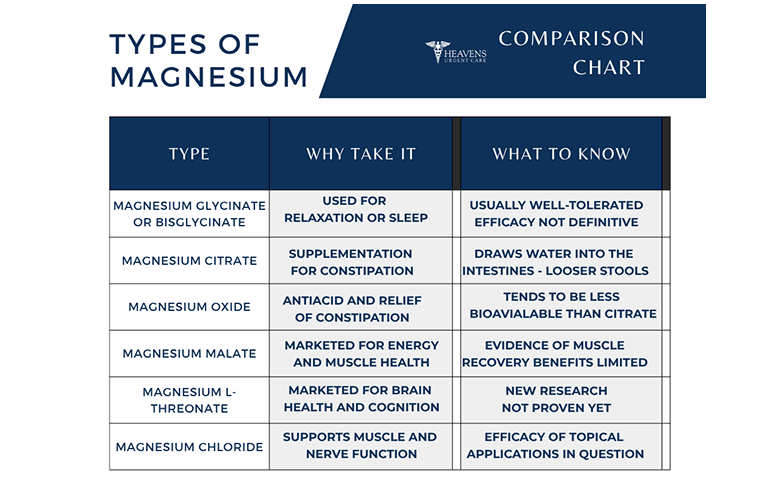
There isn’t one form that’s best for everybody. Your reason for taking magnesium, digestive tolerance, diet, medications, health history, and cost all matter.
Magnesium for Sleep: Does It Really Work?
This question deserves special attention because magnesium has become enormously popular as a nighttime supplement.
Magnesium is involved in nervous system function, and some people report that taking it helps them relax or sleep. However, research on magnesium supplementation for sleep has produced mixed results, so it shouldn’t be treated as a cure for insomnia.
There is some interesting newer research. A 2024 randomized controlled trial involving 80 adults ages 35 to 55 with self-reported sleep problems found that magnesium L-threonate supplementation improved several measures of sleep and daytime functioning compared with placebo. It’s promising, but larger and longer studies are still needed.
The bigger point is that poor sleep can have many causes. If you’re regularly struggling to sleep, figuring out why this is happening is more important than simply adding another supplement.
Look at Elemental Magnesium, Not Just the Number on the Bottle
Here’s a label-reading tip that can prevent a lot of confusion: A supplement may advertise a large amount of a magnesium compound on the front of the bottle, but that number isn’t necessarily the amount of actual magnesium you’re getting.
Check the SUPPLEMENTAL FACTS panel on the back of the label and look for the amount of magnesium per serving. That number represents the actual elemental magnesium provided by the product.
According to the National Institutes of Health (NIH), the recommended daily magnesium intake is generally 310–320 mg for adult women and 400–420 mg for adult men, depending on age and life stage.
The upper limit for magnesium specifically from supplements and medications is 350 mg per day for adults, unless a healthcare professional recommends otherwise. That limit does not include magnesium naturally found in food.
Can I Get Enough Magnesium from Food?
Absolutely, and foo is really the best place to start.
Magnesium-rich foods include pumpkin and chia seeds, almonds, cashews, peanuts, beans, whole grains, spinach, and other leafy greens. Choosing a varied diet provides magnesium alongside fiber, protein, healthy fats, vitamins, and other minerals.
If you’re active, don’t assume that muscle soreness, cramps, or fatigue automatically mean you’re magnesium deficient. Those symptoms can have many causes, from hydration and training load to sleep, medications, nutrition, or an underlying health condition.
Should I Take Vitamin D, Calcium or Other Supplements with Magnesium?
Magnesium doesn’t need a complicated supplement stack to work.
However, several nutrients work together in maintaining normal musculoskeletal health. Magnesium is involved in vitamin D metabolism, while calcium and vitamin D are important for bone health. Vitamin K also contributes to normal bone physiology.
That doesn’t mean everyone should automatically take magnesium, calcium, vitamin D, and vitamin K together.
More isn’t always better.
Your diet, age, medications, medical history, and actual nutrient needs should guide supplementation. For some patients, testing and a nutritional assessment may make more sense than guessing. Dr. Heavens can help you assess where you are currently and then create a personalized, longevity wellness plan customized to your unique lifestyle and health goals.
Who Should Be Careful with Magnesium Supplements?
Magnesium from food is generally safe for healthy people because the kidneys remove excess amounts. Supplements are a different story.
Too much supplemental magnesium can cause diarrhea, nausea, and abdominal cramping. Extremely high intakes can also cause serious magnesium toxicity.
People with impaired kidney function require particular caution because their bodies may have difficulty eliminating excess magnesium.
Magnesium can also interact with certain medications. For example, it can reduce the absorption of certain antibiotics and medications used to treat osteoporosis, including bisphosphonates, when taken too close together.
If you take prescription medications or have kidney, gastrointestinal, heart, or other chronic health conditions, talk with your physician or pharmacist before adding a magnesium supplement.

Choosing a Good Magnesium Supplement
Supplement quality matters almost as much as the form you choose.
Start by reading the SUPPLEMENT FACTS label rather than simply relying on marketing claims on the front of the bottle or videos from popular influencers. Look at how much elemental magnesium you’re actually getting and pay attention to other ingredients included in the product.
Independent quality verification can also provide additional reassurance. Certifications from organizations such as USP or NSF can indicate that a product has undergone independent testing against established standards.
Be skeptical of products promising that one form of magnesium will instantly fix your sleep, eliminate stress, boost brain power, stop muscle cramps, and transform your energy. Magnesium is important, but it isn’t magic.
Do You Actually Need a Magnesium Supplement?
For some people, magnesium supplementation can be helpful. For others, improving dietary intake may be all that’s necessary.
If you’re experiencing ongoing fatigue, poor sleep, muscle symptoms, changes in exercise performance, or other health concerns, a supplement may not address the underlying issue.
Dr. Jason Heavens works with patients in his Tempe, Arizona office to take a broader look at nutrition, exercise, sleep, medications, hormones, preventive health, and other factors that influence how you feel and perform.
Before building your supplement routine from social media recommendations or the vitamin aisle, consider talking with your doctor about what your body needs to perform at its highest level. A personalized approach can help you spend less time guessing about your choices that will affect your long-term health.
MAGNESIUM FACT SHEET: The NIH Office of Dietary Supplements Magnesium Fact Sheet provides detailed information about magnesium requirements, dietary sources, supplementation, safety, and medication interactions.

This article is for educational purposes only and is not a substitute for medical advice, diagnosis, or treatment. Intermittent fasting may not be appropriate for everyone, especially people with chronic health conditions, diabetes, or medication-related concerns. If you are thinking about starting a fasting routine, please speak with a qualified medical professional first.