If you’ve been told that your blood pressure is a little (or a lot) high, you may have wondered… what happened and what do those two little numbers mean?
High blood pressure, also called hypertension, is an extremely common condition. Nearly half of American adults have it, yet many people feel perfectly healthy. According to the CDC, about 48% of U.S. adults have high blood pressure, and only about one in four adults with hypertension has it under control.
That makes understanding your numbers important, even when you feel fine.
Let’s Talk About Those Blood Pressure Numbers
Blood pressure measures the force of blood pushing against the walls of your arteries. The top number (systolic) measures the pressure when your heart contracts. The bottom number (diastolic) measures the pressure between heartbeats.
Current American Heart Association guidelines classify blood pressure this way:
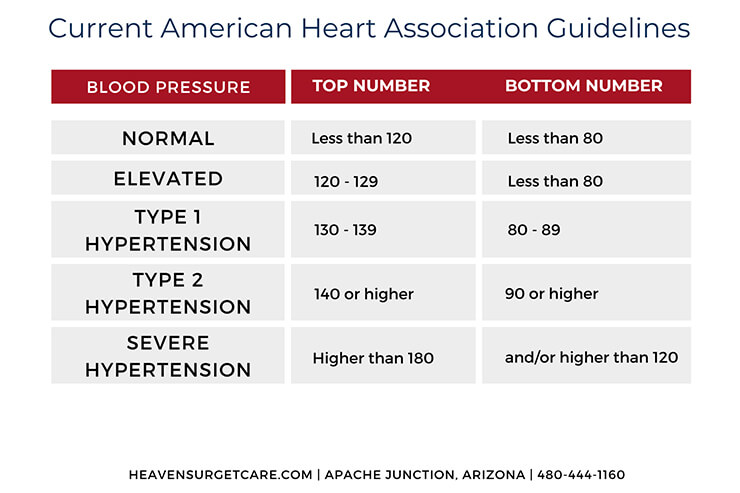
The 2025 American Heart Association/American College of Cardiology guideline recommends a general treatment goal of less than 130/80 mm Hg for adults, although your doctor may individualize that goal based on your overall health.
One high reading doesn’t automatically mean you have hypertension. Blood pressure fluctuates throughout the day, which is why repeated readings and, sometimes, home blood-pressure monitoring is so useful.
What Causes High Blood Pressure?
For most people, there isn’t one single cause. Blood pressure often creeps upward over years as several factors begin to add up. Genetics can also play a role. So can aging, excess weight, a high-sodium diet, inactivity, frequent alcohol use, smoking, chronic stress and poor sleep.
Our arteries also naturally become less flexible as we age. That can make it harder for them to accommodate the pressure of blood moving through the body.
TIP: Sometimes, high blood pressure has a more identifiable medical cause like kidney disease, sleep apnea, thyroid disorders, adrenal conditions, and certain medications that contribute to the condition.
This is one reason a persistent change in your blood pressure deserves a conversation with your healthcare provider instead of simply assuming you need to eat less salt.
"I want patients to think of blood pressure as information, not just a number on a chart. If your readings are consistently going up, your body is telling us something. Together we will want to figure out why and address high blood pressure before it begins affecting your heart, kidneys, brain and blood vessels.”
Dr. Jason Heavens
If My Blood Pressure is High, Why Do I Feel Good?
Feeling fine with high blood pressure is one of the most confusing things about hypertension.
It can be surprising to learn that you can have significantly elevated blood pressure without feeling sick. There may be no headache, dizziness or other warning that anything is wrong.
In U.S. data from 2021–2023, hypertension affected 47.7% of adults. The numbers climbed dramatically with age: 23.4% among adults ages 18–39, 52.5% among those 40–59, and 71.6% among adults 60 and older.
That’s why routine blood-pressure checks matter. Waiting until you feel hypertension isn’t a very reliable strategy.
High Blood Pressure Can Be Different in Men and Women
U.S. data show hypertension is more common overall in men than women, 50.8% versus 44.6%. But that gap changes as we age.
Men tend to develop hypertension earlier in adulthood. Women’s risk rises considerably later in life, particularly around and after menopause.
A 2026 study looking at adults ages 45–74 found hypertension was considerably more common among men at younger ages, but the difference between men and women narrowed with age and had largely converged by ages 65–74.
For women, menopause may be an important time to start paying closer attention to blood pressure. Changes in estrogen, blood-vessel function, body composition and arterial stiffness may all contribute to rising cardiovascular risk.
Bring Your Blood Pressure Down
Sometimes medication is necessary, and taking medication isn’t a failure. For some people, genetics, age and medical conditions make lifestyle changes alone inadequate.
Everyday habits can have a meaningful effect on blood pressure!
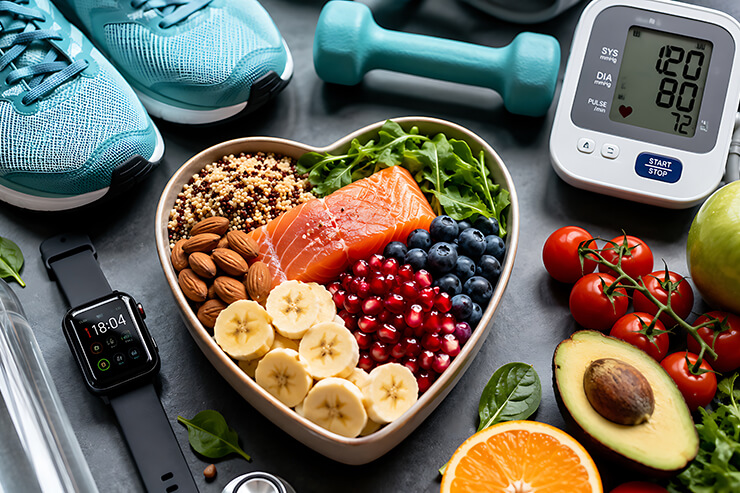
The current guidelines recommend a heart-healthy eating pattern such as the DASH diet, reducing excess sodium, getting adequate dietary potassium when appropriate, maintaining a healthy weight, exercising regularly, managing stress and reducing or eliminating alcohol.
Sleep deserves attention, too. If you snore heavily, wake frequently, feel exhausted despite sleeping or have been told you stop breathing during sleep, talk with your primary care provider about sleep apnea.
And if you’re monitoring blood pressure at home, use a validated upper-arm cuff and bring your readings to your appointments. The newest guidelines specifically encourage home blood-pressure monitoring.
TIP: Smartwatches and other cuffless devices are convenient, but current guidelines caution against relying on them for accurate blood-pressure measurement until their precision improves.
Blood Pressure and Longevity
Lowering blood pressure isn’t simply about producing a better number at your next appointment. It’s about protecting your health years down the road.
High blood pressure is a major modifiable risk factor for heart attack, stroke, heart failure, atrial fibrillation, chronic kidney disease, dementia and premature death.
Research published in 2026 adds an interesting longevity angle. Researchers followed more than 18,000 adults ages 45 and older with hypertension and examined how much time their systolic blood pressure stayed within a target range. People who spent more time in that range had longer cardiometabolic-disease-free life expectancy.
The takeaway isn’t that hitting one perfect number will guarantee you extra years. It suggests something more practical: keeping blood pressure well controlled over time matters.
What's New in High Blood Pressure Treatment?
Treatment for hypertension is becoming more personalized. Rather than looking at blood pressure in isolation, clinicians can consider a person’s broader risk of developing cardiovascular disease.
There are also newer options for certain patients whose hypertension remains difficult to control.
One is renal denervation, a minimally invasive procedure that targets nerves around the kidneys involved in blood-pressure regulation. The FDA has approved renal-denervation technology for use along with lifestyle changes and blood-pressure medication in appropriate patients. This procedure isn’t a first-line treatment or a replacement for healthy habits, but it represents an interesting advancement for selected patients with hypertension.
When Is High Blood Pressure an Emergency?
If you get an unexpectedly high reading, don’t panic. Sit quietly and repeat the measurement correctly.
However, a reading higher than 180/120 mm Hg needs prompt attention. If it remains that high and you’re experiencing chest pain, shortness of breath, back pain, weakness, numbness, vision changes or difficulty speaking, call 911. Those symptoms could signal a hypertensive emergency, heart attack, stroke or another serious problem.
High blood pressure usually doesn’t happen overnight and bringing it down may take some detective work. Maybe sodium is playing a role. Maybe it’s sleep apnea, stress, medication, weight, genetics or simply changes that come with getting older. Often, it’s a combination.
The important thing is not to ignore a pattern of elevated readings.
At Heavens Urgent Care in Apache Junction, Arizona, we can check your blood pressure, discuss concerning readings and help determine when additional evaluation or ongoing medical care is needed. Walk-ins are always welcome.

Other Helpful Articles
This article is for educational purposes only and is not a substitute for medical advice, diagnosis, or treatment. Intermittent fasting may not be appropriate for everyone, especially people with chronic health conditions, diabetes, or medication-related concerns. If you are thinking about starting a fasting routine, please speak with a qualified medical professional first.