
As women enter their 40s and 50s, they may not realize that osteoporosis is quietly developing and it’s going to affect how they age. Most people don’t realize they have osteoporosis until they suffer a fracture from what seemed like a silly, little fall.
Here’s the best new of all, osteoporosis isn’t something that is out of your control. There is so much you can do to protect your bones, especially during perimenopause and menopause when bone loss accelerates.
Acting now can help you stay active, independent, and doing the things you love for years to come.
Why Bone Loss Speeds Up During Menopause
Bone is living tissue that is constantly breaking down and rebuilding itself. Throughout your younger years, your body generally builds bone as quickly as it loses it.
That balance changes during perimenopause and menopause.
As estrogen levels decline, bone breakdown begins to outpace new bone formation. Learn more by listening to this podcast on Bone Talk, Strong Bones for Midlife Women: Building Strength, Preventing Fractures, and Aging Well.
FACT: Women can lose up to 20% of their bone density during the five to seven years after menopause, making this one of the most important times to focus on prevention.
Osteopenia vs. Osteoporosis
You may hear these two terms used interchangeably, but they’re not the same.
Osteopenia means your bones have become weaker than normal but are not yet severely weakened.
Osteoporosis is a more advanced loss of bone density that significantly increases the risk of fractures, particularly in the hips, spine, and wrists.
The encouraging news is that osteopenia provides an opportunity to make important changes before osteoporosis develops.
Risk Factors You Can't Change
Some osteoporosis risk factors are beyond your control, including:
- Being female
- Growing older
- Early menopause
- A family history of osteoporosis or hip fractures
- A naturally small or thin body frame
- Certain medical conditions or medications, including long-term steroid use
Knowing your personal risk allows you and your healthcare provider to create a prevention plan before problems develop.
Risk Factors You Can Change
Many of the biggest contributors to bone loss are lifestyle related.
These include:
- Lack of regular strength training
- Low vitamin D levels
- Inadequate calcium intake
- Not eating enough protein
- Smoking
- Excessive alcohol use
- Long periods of inactivity
- Repeated crash dieting or being significantly underweight
Small, consistent lifestyle changes often have a much bigger impact than people realize.
Seven Ways to Build Stronger Bones Now
1. Lift Weights, Not Just Your Grocery Bags
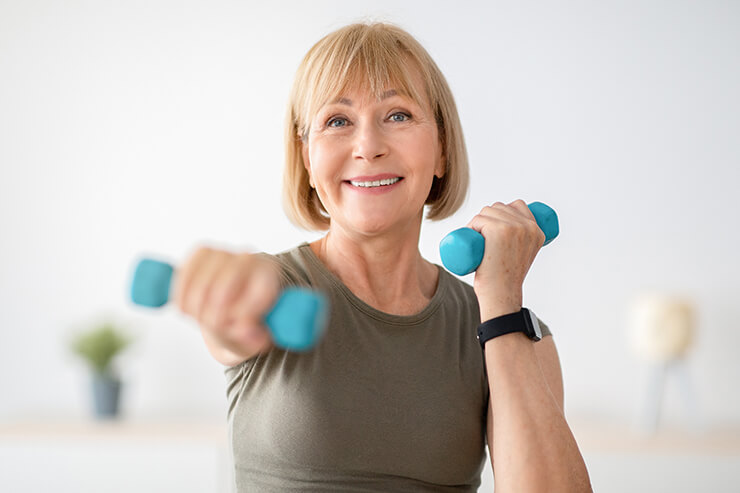
Walking is wonderful for heart health, but resistance training provides one of the strongest signals for your body to build and maintain bone. Exercises using free weights, resistance bands, weight machines, or even your own body weight help stimulate bone growth while also improving muscle strength and balance.
Recent research continues to support progressive resistance exercise as one of the most effective non-medication strategies for maintaining bone density.
2. Eat Enough Protein
For years, bone health conversations centered almost entirely on calcium. Today, researchers recognize that protein plays an equally important role. Protein helps build the collagen framework that gives bones their strength and supports the muscles that protect against falls.
3. Prioritize Calcium, Vitamin D, Magnesium, and Vitamin K
These nutrients work together rather than independently. While dairy products are a good source of calcium, leafy greens, almonds, fortified foods, and certain fish also contribute to healthy bones.
Vitamin D helps your body absorb calcium, while magnesium and vitamin K support proper bone mineralization. Many patients benefit from taking DIM SGS+ to provide support for healthy utilization of estrogen in both men and women. Before starting supplements, it’s wise to discuss your individual needs with your healthcare provider.
4. Stay Physically Active Every Day
Bone responds to movement. Weight-bearing activities such as hiking, dancing, tennis, pickleball, stair climbing, and strength training all encourage healthier bones while improving coordination and reducing fall risk.
5. Know Your Hormone Health
For some women, hormone changes play a significant role in accelerated bone loss. Current guidance from The Menopause Society recognizes menopausal hormone therapy as an effective option for preventing bone loss in appropriately selected women, particularly when started near the onset of menopause after discussing individual risks and benefits with a healthcare provider like Dr. Jason Heavens, a Menopause Society Certified Practitioner with an office in Tempe, Arizona.
6. Reduce Your Risk of Falls
Strong bones are important, but preventing falls matters just as much. Improving balance, maintaining vision, wearing supportive footwear, and removing tripping hazards around your home can significantly reduce fracture risk.
7. Schedule Bone Density Screening
A DEXA scan is a simple, painless test that measures bone mineral density. While routine screening is generally recommended for women age 65 and older, women with additional risk factors may benefit from earlier testing. Your healthcare provider can help determine the right time for screening based on your personal health history.
Bone Health Myths vs. Facts
| Myth | Fact |
|---|---|
| Drinking milk alone prevents osteoporosis. | Calcium is important, but healthy bones also depend on adequate protein, vitamin D, resistance exercise, hormones, and overall nutrition. |
| Walking is enough to prevent osteoporosis. | Walking supports overall health, but resistance and impact exercises are more effective for maintaining bone density. |
| Osteoporosis only affects women over 70. | Bone loss often begins during perimenopause, making prevention in your 40s and 50s especially valuable. |
| If I don't have pain, my bones must be healthy. | Osteoporosis is often called a "silent disease" because bone loss usually occurs without symptoms until a fracture happens. |
New Research Is Changing the Way We Think About Bone Health
Researchers now recognize that healthy aging is about much more than calcium alone. Maintaining muscle mass, eating enough protein, participating in resistance exercise, and evaluating hormone health all play important roles in reducing fracture risk.
Scientists are also learning more about the connection between sarcopenia (age-related muscle loss) and osteoporosis. Women who preserve both muscle and bone tend to experience fewer falls and fractures as they age. This whole-body approach is becoming the new standard for healthy aging.
How Dr. Jason Heavens Can Help
At Heavens Medical, Dr. Jason Heavens takes a comprehensive approach to women’s health during perimenopause and menopause. He can evaluate your personal osteoporosis risk, discuss appropriate screening, assess hormone health, review nutrition and lifestyle factors, and develop an individualized plan that may include BHRT to help protect your bones for the future.
Whether you’re beginning to experience perimenopause or have already entered menopause, now is an excellent time to invest in your long-term bone health.
Schedule a consultation with Dr. Jason Heavens to learn how proactive, personalized care can help you stay active, healthy, and strong for years to come.

This article is for educational purposes only and is not a substitute for medical advice, diagnosis, or treatment. Intermittent fasting may not be appropriate for everyone, especially people with chronic health conditions, diabetes, or medication-related concerns. If you are thinking about starting a fasting routine, please speak with a qualified medical professional first.