


As we get older, joint pain seems to make a regular appearance. That’s because over time, our joints experience wear and tear, inflammation, and changes in the tissues that support them. But while joint pain may be common, it is not something you simply have to live with.
FACT: Joint pain affects 70% of adults aged 50–80, with 49% reporting activity limitations.
Understanding the six reasons why your joints are causing you discomfort is the first step toward finding relief and protection for long-term mobility.
1. Osteoarthritis (Wear-and-Tear Arthritis)
Osteoarthritis is the most common cause of joint pain, especially in the knees, hips, hands, and spine. It occurs when the protective cartilage that cushions your joints gradually breaks down.
You may notice:
- Stiffness, especially in the morning or after sitting
- Pain that worsens with activity
- A grinding or clicking sensation
According to the CDC, osteoarthritis affects over 32 million adults in the U.S. and is a leading cause of disability.
Supportive strategies include using gentle, regular movement like walking and swimming. Maintaining a healthy weight to reduce joint load eating anti-inflammatory foods like omega-3 fats, vegetables, and processed foods.
2. Rheumatoid Arthritis (Autoimmune Inflammation)
Unlike osteoarthritis, rheumatoid arthritis (RA) is an autoimmune condition where the immune system mistakenly attacks the joints. This means your immune system (which usually fights infection) attacks the cells that line your joints by mistake, making the joints swollen, stiff and painful.
Common signs include:
- Symmetrical joint pain (both hands, both knees)
- Swelling, warmth, and redness
- Fatigue and general malaise
Research published in PubMed Central highlights that early diagnosis and management are key to preventing joint damage.
Besides an early diagnosis, other supportive strategies include managing inflammation through diet and stress reduction and prioritizing sleep and recovery.
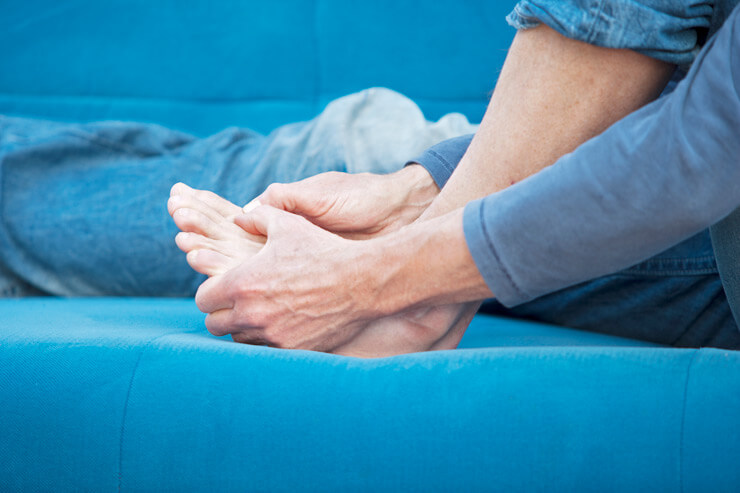
3. Gout (Sudden, Severe Joint Pain)
Gout is a type of inflammatory arthritis caused by a buildup of uric acid crystals in the joint. Most people notice gout, first, in the big toe.
Symptoms often come on quickly and may include:
- Intense pain, often at night
- Redness and swelling
- Warmth and extreme tenderness
A review from the National Institutes of Health (NIH) explains that diet, kidney function, and metabolic health all play a role in gout development.
Use these supportive strategies to minimize the effects of gout. Start by staying well hydrated and limit high-purine foods like red meat and alcohol.
4. Bursitis (Inflamed Joint Cushions)
Bursae are small fluid-filled sacs that cushion your joints. When they become irritated or inflamed, it leads to bursitis.
You may experience:
- Pain with movement or pressure
- Swelling around the joint
- Limited range of motion
Bursitis is often linked to repetitive motion or prolonged pressure on a joint. Try resting the affected joint and applying ice during flare-ups. Modifying repetitive movements can also help.
5. Tendinitis (Inflamed Tendons)
Tendinitis occurs when the tendons—structures that connect muscle to bone—become irritated or overused. This type of joint pain is common in the shoulders, elbows, and knees.
Symptoms include:
- Dull aching pain
- Tenderness near the joint
- Pain that worsens with movement
Age-related changes in tendon elasticity can increase your susceptibility to tendinitis.
Recommended supportive strategies include a gradual return to activity after a period of rest, and then avoiding repetitive motions that strain tendons. Stretching and strengthening exercises can also help.
6. Joint Injuries (Sprains, Strains, and Meniscus Issues)
Not all joint pain is chronic. Sports injuries can happen at any age and may become more likely as balance, strength, and reaction time change over time. Fall prevention and strength training are key in reducing injury risk at any age.
FACT: Ankle sprains are the most common joint injury, with nearly 25,000 cases daily, while over 1 million joint replacements occur annually in the US.
Common signs include:
- Sudden pain after movement or activity
- Swelling or bruising
- Instability or difficulty bearing weight
Try these supportive strategies to minimize your risk of joint injury. Add strength and balance training to your workouts. Wear supportive footwear and address injuries early to prevent long-term issues.

When to Seek Medical Attention
While many types of joint pain can be managed at home, there are times when it is important to seek care. Contact your primary care provider if you notice:
- Severe or sudden joint pain
- Swelling that does not improve
- Redness or warmth (possible infection or gout flare)
- Difficulty using or bearing weight on a joint
- Pain lasting longer than a few weeks
A Gentle, Whole-Body Approach to Joint Health
Joint pain is rarely caused by just one factor. In many cases, it reflects a combination of inflammation, movement patterns, metabolic health, and age-related changes.
Supporting your joints often means supporting your whole body by nourishing it with anti-inflammatory foods. Stay consistently active, even with low-impact movement and maintain a healthy weight.
If you are looking for more personalized, long-term guidance on joint health, working with a primary care provider can help you address underlying causes… not just symptoms.
Dr. Jason Heavens at Heavens Medical offers a more comprehensive approach to care, focusing on prevention, longevity, and individualized treatment plans.