
Should I Use a GLP-1 Medication for Weight Loss?

Should I Use a GLP-1 Medication for Weight Loss Heavens Urgent Care blog

GLP-1 medications for weight loss have quickly become one of the most talked-about topics in modern medicine for managing obesity and metabolic health.

Originally developed for type 2 diabetes, GLP-1 medications are now widely accepted and used to support weight loss in individuals who have struggled with traditional approaches. But like any medical treatment, they work best when undertaken thoughtfully with the guidance of an experienced physician.

This article explores the definition of GLP-1, why are so popular, who should consider using them, and who should avoid these weight loss medications. You’ll also find information in this article about tips for getting the best results while using a GLP-1.

What Are GLP-1 Medications?

GLP-1 stands for glucagon-like peptide-1, a naturally occurring hormone in your body that helps regulate blood sugar, appetite, and digestion. Medications such as semaglutide and tirzepatide mimic or enhance this hormone’s effects. They work by:

  • Slowing stomach emptying so you feel full longer
  • Reducing appetite and cravings
  • Improving insulin sensitivity
  • Helping regulate blood sugar levels

The result is a powerful shift in how your body processes hunger and energy. Some patients report that the medication also reduces “food noise,” giving them a break from constantly thinking about food.

“Please avoid online compounded GLP-1 medications. I’m an advocate of these types of medications, but only if they are distributed by a reputable pharmacy, like Strive, and if you are prescribed the medication by your medical provider, who you see in person.” – Dr. Jason Heavens

Why Are GLP-1 Medications So Popular?

There are three main reasons why GLP-1 medications have gained widespread attention:

  1. Clinically significant weight loss
    Many patients experience meaningful weight loss, often in the range of 10–20% of body weight when combined with lifestyle changes.
  2. They address biology, not just willpower It is no longer thought that “willpower” or simply that “you’re eating too much” is the main cause of weight problems. We now understand that weight gain is more often influenced by hormones, metabolism, and brain signaling. GLP-1s help correct there underlying drivers instead of relying solely on calorie restriction.
  3. Additional metabolic benefits
    These medications can improve blood sugar control, reduce cardiovascular risk factors, and support overall metabolic health.

A 2024 review published in Nature Medicine highlights the growing role of GLP-1 receptor agonists in obesity treatment and long-term disease prevention

Similarly, updated findings in JAMA (2024) reinforce their effectiveness for sustained weight loss when used as part of a comprehensive care plan.

Who Should Consider GLP-1 Medications?

GLP-1 medications are not for everyone, but they can be an excellent option for certain individuals. The best results are achieved by those willing to pair medication with long-term lifestyle changes.
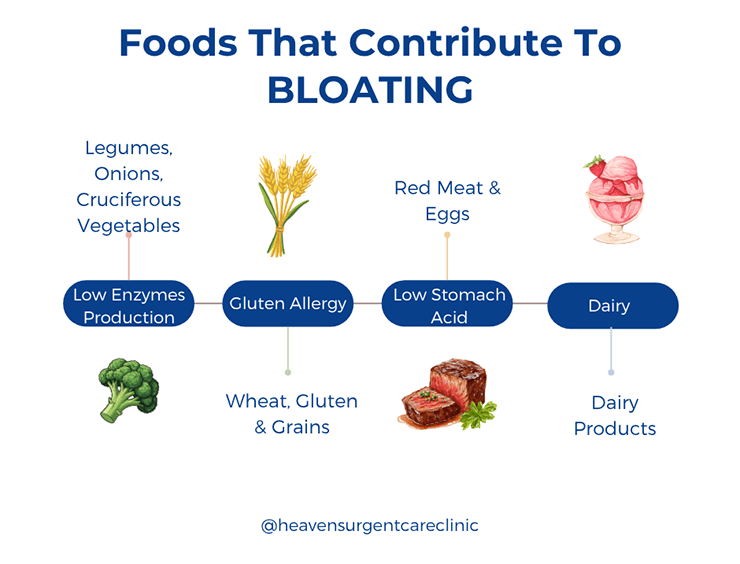
foods that contribute to bloating chart You may be a candidate if you:

  • Have a BMI of 30 or higher
  • Have a BMI of 27 or higher with conditions like high blood pressure, prediabetes, or type 2 diabetes
  • Have struggled to lose weight despite consistent diet and exercise efforts
  • Experience strong hunger signals or difficulty controlling portions

Who Should Avoid GLP-1 Medications? (Contraindications)

GLP-1 medications are generally safe when prescribed appropriately, but they are not suitable for everyone.

They should typically be avoided in individuals who:

  • Have a personal or family history of medullary thyroid cancer
  • Have multiple endocrine neoplasia syndrome type 2 (MEN2)
  • Have a history of pancreatitis
  • Are pregnant or breastfeeding
  • Have severe gastrointestinal disease such as gastroparesis

This is why a thorough medical evaluation is essential before starting treatment.

Tips for Getting the Best Results

GLP-1 medications are powerful, but they are not magic. This bears repeating: GLP-1s are not a magic diet pill. The best outcomes happen these medications are part of a personalized, physician-guided plan.

Here are five key strategies to maximize success:

  1. Focus on protein intake
    Because appetite decreases, it’s important to prioritize protein to preserve muscle mass and support metabolism.
  2. Build sustainable eating habits
    Rather than extreme dieting, aim for balanced, nutrient-dense meals that support long-term health.
  3. Stay active
    Strength training and regular movement help maintain muscle, improve insulin sensitivity, and enhance fat loss.
  4. Support your metabolism
    Hormones, sleep, stress, and gut health all influence weight. Addressing these factors is critical for lasting results.
  5. Work with an experienced physician
    Dosing, monitoring, and adjustments matter. Medical supervision helps reduce side effects and improve outcomes.

A Brief Note on GLP-2 and GLP-3

While GLP-1 medications are currently the most widely used for weight loss, newer therapies are emerging. GLP-2 primarily supports intestinal health and nutrient absorption. GLP-3 (multi-agonist therapies) are being studied for their potential to combine multiple metabolic pathways for even greater results.

These next-generation medications may further expand treatment options in the future.

The Importance of a Personal, Customized Approach

One of the biggest misconceptions about GLP-1 medications is that they are a quick fix. In reality, they are most effective when used as part of a comprehensive strategy that addresses the root causes of weight gain.

This may include challenges in metabolic health, hormones, nutrition, sleep and stress, and lifestyle habits. Working with a physician who understands these factors can make the difference between temporary weight loss and long-term success.

TIP: If you are currently on a GLP-1 talk to your doctor about the emerging research on the benefits of microdosing.

GLP-1 medications represent a major advancement in weight management. For many individuals, they offer a safe and effective way to finally achieve results that have felt out of reach.

At Heavens Medical, in Tempe, Dr. Jason Heavens works closely with patients to create customized plans that support sustainable weight loss. By addressing the underlying metabolic, hormonal, and lifestyle factors, patients can achieve meaningful, lasting results with the right guidance.

If you’re considering GLP-1 medications, the next step is a conversation. With expert care and a personalized approach, long-term success is not only possible—it’s achievable.

This article is for educational purposes only and is not a substitute for medical advice, diagnosis, or treatment. Intermittent fasting may not be appropriate for everyone, especially people with chronic health conditions, diabetes, or medication-related concerns. If you are thinking about starting a fasting routine, please speak with a qualified medical professional first.

If you found this article helpful, subscribe to the HEAVENS URGENT CARE blog below for more just like it.

We will never sell or share your information. Unsubscribe at any time.

Get Care Now!

Virtual urgent care on a smartphone

You can complete an urgent care virtual visit in as fast as five to 15 minutes without leaving your home.

Read More From Heavens Urgent Care

Analog alarm clock on a plat with fork - Is intermittent fasting right for you?

Is Intermittent Fasting Right for You?

Fasting has quickly become one of the most discussed wellness strategies for adults looking for healthier aging, better energy, and improved metabolic health. For many ...
Read the full post →
Man gripping knee – Six reasons your joints hurt

6 Reasons Your Joints Hurt (and What You Can Do About It)

As we get older, joint pain seems to make a regular appearance. That’s because over time, our joints experience wear and tear, inflammation, and changes ...
Read the full post →
Heavens Urgent Care Blog Why Am I So Bloated

Why Am I So Bloated?

Looking to beat the bloat? Bloating is one of the most common digestive complaints and, for many, one of the most frustrating. Bloating shows up ...
Read the full post →
Man riding bike uphill with the text "Peptides for Performance and Longevity"

Peptides for Performance and Longevity

If you’re training for competitive events, pushing your limits in the gym, or interested in healthy aging, you’ve probably heard more about peptides. Today peptides ...
Read the full post →

The information provided in this blog post is for educational and informational purposes only and is not intended as medical advice. It is not a substitute for professional medical diagnosis, treatment, or care. Always seek the advice of your physician or other qualified healthcare provider with any questions you may have regarding a medical condition or treatment. Do not disregard professional medical advice or delay in seeking it because of something you have read here. The author and publisher disclaim any liability for any adverse effects or consequences resulting from the use of any suggestions, procedures, or treatments discussed in this blog.

Scroll to Top

Ask the Doc

What topic would you like to learn more about?

Please do not include any sensitive personal or medical information (such as details about medical conditions, diagnoses, treatments, or protected health information) on this form. If you have specific medical questions or need to share confidential health information, please contact us directly through secure and appropriate channels.