


If you’re training for competitive events, pushing your limits in the gym, or interested in healthy aging, you’ve probably heard more about peptides. Today peptides are gaining attention as potential tools to support recovery, muscle health, metabolic function, and longevity.
This article was written to help you understand the definition of peptides, how they work, the research, the different types of peptides, and if this type of supplementation is right for you.
What are Peptides?
Peptides are short chains of amino acids that make up the building blocks of proteins. While proteins are typically long, complex chains, peptides are smaller and more targeted in their biological activity.
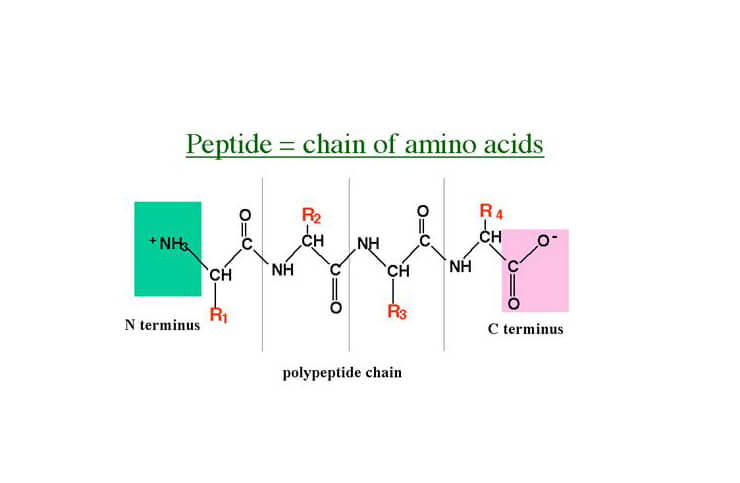
In the body, peptides function as signaling molecules. They bind to receptors on cells and “tell” those cells what to do. Some peptides stimulate growth hormone release, while others influence collagen production.
Peptides can also regulate inflammation or immune function. Others impact metabolism or tissue repair. Because peptides act as tiny messengers in your body, even small amounts can have meaningful biological effects.
How Do Peptides Work?
Like flipping a light switch, when a peptide binds to a specific receptor on a cell, it turns on a pathway in your body. If you are active, this will matter to you because many peptide therapies support muscle recovery and repair, collagen synthesis, and joint and tendon healing. Peptide therapy can also help with fat metabolism and cellular regeneration.
Unlike broad spectrum supplements that provide general nutrients, think of peptides as designed to target specific biological pathways.
Emerging Research on Peptides
Peptide science is rapidly evolving. Today, peptides are under development as drugs for treating several illnesses like infections, obesity, and cancer. Most interesting are cell-penetrating peptides that are under investigation as drug delivery tools for anti-cancer, antibacterial, and antiviral therapies.
FACT: Therapeutic applications of peptides represent a research field of growing interest, as testified by the 26 peptides approved as drugs between 2016 and 2022 by the Food and Drug Administration (FDA), with over a total of 315 new drugs approved in the same timeframe, with more than 200 peptides in clinical development, and with another 600 peptides undergoing preclinical studies.
Five Categories of Peptide Therapies
While many compounds are still being studied, there are five categories that are generating interest in athletes and those who are focused on longevity.
1. Growth Hormone–Releasing Peptides (GHRPs)
Certain peptides stimulate the body’s own production of growth hormone. Growth hormone plays a role in:
- Muscle recovery
- Fat metabolism
- Bone density
- Tissue repair
Research shows that growth hormone secretion naturally declines with age. Some early clinical studies suggest that stimulating endogenous growth hormone may support body composition and recovery in older adults. It is looking more likely that peptide supplementation can make a positive difference in our aging population.

2. Collagen-Stimulating Peptides
Collagen peptides that are most often found in oral supplements are among the most widely studied. Research has shown that they can:
- Improve joint comfort in active adults
- Increase collagen density in skin
- And provide potential support for tendon and ligament strength
Growing evidence suggests that hydrolyzed collagen peptides, combined with vitamin C and resistance training, may also enhance connective tissue repair.
3. BPC-157 and Tissue Repair
BPC-157 is a synthetic peptide derived from a gastric protein. Animal studies have shown promising results in tendon healing, ligament repair, and gut tissue recovery. Human data is still limited, but research continues to grow, especially in sports medicine settings.
4. Thymosin Peptides and Immune Function
Certain thymosin-derived peptides are being studied for immune modulation and tissue regeneration. Early research suggests potential applications in wound healing and inflammatory regulation.
5. Metabolic and Longevity Pathways
Researchers are also exploring peptides that influence cellular signaling pathways related to aging. These include mitochondrial function, insulin sensitivity, and inflammation control.
While much of this research is early-stage or ongoing, the direction of the science is clear: peptides represent a targeted, precision-based approach to supporting recovery and longevity.
Injectable or compounded peptides should only be used under medical supervision. Many are not FDA-approved for general wellness use and may fall under research-only classifications. Use caution when it comes to unregulated online sources, as product purity and dosing consistency can vary significantly.
Potential Benefits for Active and Competitive Adults
For adults who train hard and compete regularly, peptides may offer support in key areas:
- Improved Recovery: Targeted signaling may enhance muscle repair and reduce downtime between intense training sessions.
- Joint and Tendon Support: Collagen peptides have demonstrated improvements in joint comfort and connective tissue resilience.
- Lean Body Composition: Growth hormone–related pathways may support fat metabolism and muscle maintenance.
- Healthy Aging: By supporting cellular repair pathways, peptides may play a role in maintaining strength, skin integrity, and metabolic health as we age.
Peptides represent an exciting frontier in performance optimization and healthy aging. For active adults and competitive athletes, they may offer targeted support for recovery, connective tissue health, and metabolic function.

If you are a serious athlete or are interested in supplementation for longevity-focused adults, remember that the goal should not be chasing trends, but instead choose evidence-based, medically guided strategies. This is where Dr. Jason Heavens can help. Call 623-444-2734 today to set-up a consultation to learn if peptide supplementation is right for you.