
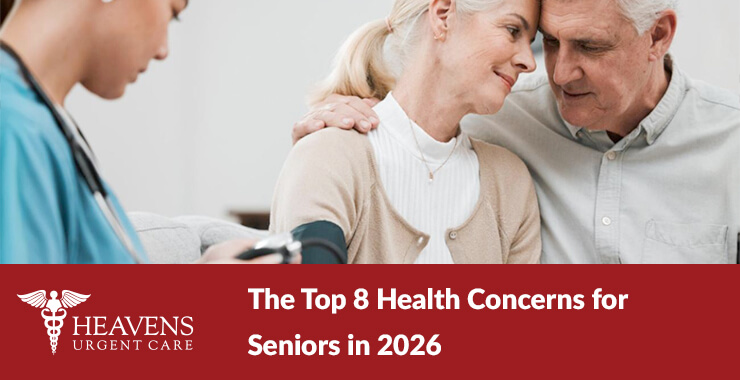
When you consider age, family history, environmental factors, and gender, seniors might be thinking that there’s nothing they can do to prevent or manage chronic health concerns.
The truth is that you can have a healthier 2026 so, let’s review the top eight health concerns facing seniors this year.
1. High blood pressure
Hypertension determines how much blood your heart pumps and the condition of your arteries. About 61% of seniors have been diagnosed hypertension. The danger of hypertension is that it can be present for years without you knowing it, resulting in other serious health conditions, like stroke and heart attacks.
- Maintain a healthy weight. Even losing 10 pounds can reduce blood pressure.
- Limit salt and alcohol consumption.
- Exercise daily to reduce stress, improve muscle mass, and regulate weight. Exercise should include a combination of moderate to vigorous-intensity aerobic activities, flexibility and stretching, and weight-resistant exercises.
- Check your blood pressure regularly. We recommend that you get, and use, a home blood pressure monitor every day.
2. High Cholesterol
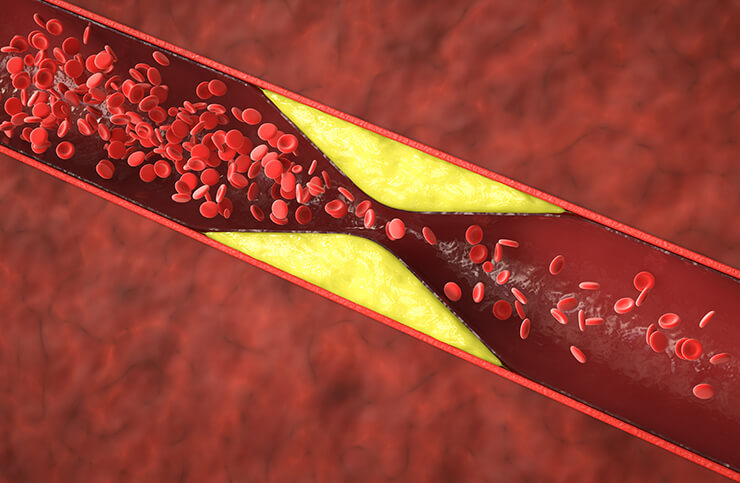
Fifty-five percent of seniors have high cholesterol. This chronic condition occurs when the body has an excess of lipids in the blood stream, resulting in narrowing arteries that get clogged.
- Abstain from smoking and excessive alcohol consumption
- Watch your weight and be active each day
- Reduce saturated fats and trans-fats in your diet
3. Cancer
Routine screenings are critical for catching cancer in its earlier, more treatable stages. Think of reducing your cancer risk like investing for retirement. Don’t be the one that looks back, wishing you had started sooner.
Some cancer symptoms may include lumps, abnormal bleeding, prolonged cough, changes in bowel habits or unexplained weight loss.
FACT: Early detection can also mean less extensive treatment, more treatment options, and better chances of survival. The five-year survival rate for many cancers is 90% when found in its early stages.
Recommended routine cancer screenings for senior women 60+ include breast, cervical, colorectal, lung, oral, and skin. Cancer screenings for men include colorectal, prostate, lung, testicular and skin. In addition, men and women should following the following guidelines.
- Avoid Tobacco: Tobacco use is linked to several cancers, including lung, breast, colorectal, throat, cervical, bladder, mouth, and esophageal cancers.
- Wear Sunscreen and Hats: Skin cancer is the most common and preventable cancer in the U.S.
- Limit Alcohol: Drinking alcohol puts you at a greater risk for breast, colorectal, oral, and liver cancers.
- Maintain a Healthy Weight: Obesity is linked to at least 13 types of cancer. Make healthy food choices, move more, and sit less.
4. Diabetes
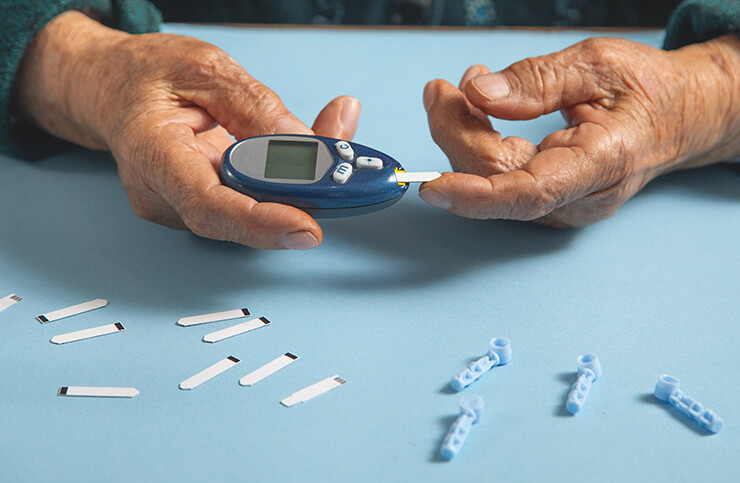
Twenty-four percent of older adults have diabetes. This chronic health condition is a disease that occurs when your body becomes resistant to, or doesn’t produce enough, insulin.
Insulin is what your body taps into to get energy from food. When insulin doesn’t respond properly, you get high blood sugar, which can lead to complications such as kidney disease, heart disease, or blindness.
If you have been diagnosed with pre-type 2 diabetes, don’t ignore it. Pretending that this condition isn’t serious can lead to diabetes that may damage the kidneys, eyes, heart and blood vessels. Start by losing 5-7% of your body weight by monitoring your carbohydrate and calorie intake. Talk to your doctor and a nutritionist about prevention and management.
Signs of prediabetes often include increased thirst, frequent urination, excess hunger, slow wound healing, nerve pain and/or numbness in the feet, fatigue, and blurred vision.
- Exercising for 30 minutes five times a week is a great way to keep your blood glucose levels in check. Some people report better blood glucose management by walking, for even 20 minutes, after a meal.
5. Obesity
It’s become a national crisis. About 40% of seniors are living with obesity, a chronic disease linked to more than 200 chronic conditions like heart disease, type 2 diabetes, and some cancers. Source: National Council on Aging
- There are some obesity treatments and counseling covered by Medicare. Learn what they are and take advantage of the programs. And don’t forget to learn more about nutrition, weight management and how to be your own advocate.
6. Heart Disease
Heart disease occurs when the heart cannot supply enough blood and oxygen to all the organs in the body. This chronic condition happens when the heart becomes enlarged, develops more muscle mass, or pumps too fast so that it can meet the body’s needs.
Heart disease is the number one cause of death in Americans over 65. The risk of heart attack, stroke, heart valve problems, arrhythmia and heart failure increases as we age.
Seniors who have heart disease report that the often feel tired, confused, nauseous, or lose the desire to eat.
- Decrease your risk for coronary heart disease by talking to your medical provider about your high cholesterol and/or high blood pressure.
- Limit sugar, salt, and saturated and trans-fat consumption.
- Watch your stress levels and get regular cardio exercise.
- Abstain from tobacco use and vaping.
- Get a least seven hours of sleep each night.
FACT: Research published in 2025, 93% of adults age 65 and older have at least one condition, while 79% have two or more.
7. Depression
Depression is a treatable medical that is NOT a normal part of aging. Depression significantly affects how you think, feel, and function daily, making normal activities like sleeping, eating, or working difficult. Fifteen percent of seniors have chronic depression.
- Reach out to trusted friends and family to help break feelings of stress and isolation.
- Focus on nutrient-dense, whole foods that help your body release those “feel good” chemicals. Avoid caffeine, highly processed foods, artificial sweeteners, and alcohol.
- Exercise is shown to boost self-confidence and mood. Walking even 20-minutes a day can make a big difference in how you feel about yourself and the world.
- Limit social media exposure which can increase feelings of uncertainty and isolation.
- Make an appointment with your doctor. If you’ve experienced any of the warning signs of depression, talk to your doctor. You may need antidepressant medications or psychotherapy.
Feelings of severe emotional distress are not to be taken lightly. Don’t hesitate to dial or text 988 from your phone to speak with a counselor who is specially trained in suicide prevention. The 988 service is free, confidential, and available to everyone in the United States 24 hours a day, 7 days a week.
FACT: 1 in 4 older adults fall each year, and falls are a leading cause of injury for this age group. Physical activity can help older adults prevent both chronic disease and fall-related injuries.
8. COPD
Nearly 12% of people 65+ have chronic obstructive pulmonary disease (COPD) that is linked to either emphysema or chronic bronchitis. If you have COPD, you may be experiencing shortness of breath, chest tightness, and coughing.
- You can prevent or slow down the progression of COPD by avoiding secondhand smoke, dust, and chemical fumes. If you smoke, quit now.
If you already have COPD, closely follow the protocol provided by your doctor, stay active, and be certain to get flu and pneumonia vaccines, as prescribed.
Many risk factors for seniors can be managed by making healthy lifestyle choices. Now is the time to talk to your loved ones about the aging process and what it means to preventing and managing health concerns. We’d love to be part of the care team for urgent needs. If we can help, please call now.